In brief

Choose an approach to on-metal RFID tags by what the product or part does in production and by the result you need—not by sector name alone.

For on-metal RFID tag selection for tools, equipment and returnable assets and retrofit identification of metal assets across varied mounting and read conditions, different operating conditions can change the recommended approach.

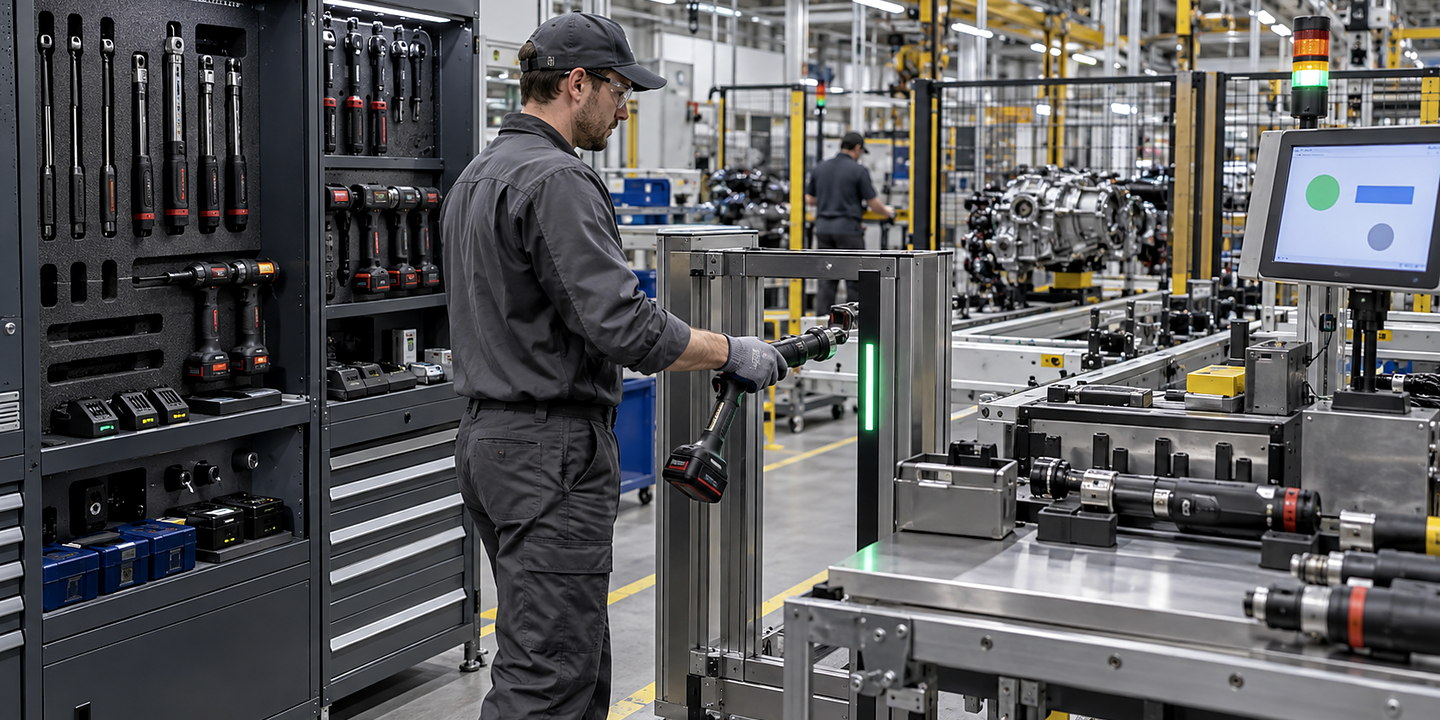
On the production floor

Match the solution to your product, part and operating needs — On-Metal RFID Tags

Select on-metal RFID tags by asset material, mounting method, available space, environment, encoded identity and read conditions. Test candidate tags in their final position on representative metal assets. Use the application examples to compare on-metal RFID tag selection for tools, equipment and returnable assets with retrofit identification of metal assets across varied mounting and read conditions.

Discuss your application
Application 1

On-Metal RFID Tag Selection for Tools, Equipment and Returnable Assets

For on-metal RFID tag selection for tools, equipment and returnable assets, start by confirming asset material, curvature and available mounting area, on-metal tag construction, stand-off and fixing method, and frequency, memory and encoded asset identity so the proposed system matches your real production needs.

Explore this application
Application 2

Retrofit Identification of Metal Assets Across Varied Mounting and Read Conditions

For retrofit identification of metal assets across varied mounting and read conditions, start by confirming on-metal tag construction, stand-off and fixing method, frequency, memory and encoded asset identity, and reader, antenna, orientation and required verification point so the proposed system matches your real production needs.

Explore this application
Choose the right route

Four questions that can change the recommended approach

What arrives?

Describe the real range for asset material, curvature and available mounting area and on-metal tag construction, stand-off and fixing method, plus presentation and upstream controls—not just a nominal drawing.

What must happen?

Define the required outcome for on-metal RFID tag selection for tools, equipment and returnable assets, the allowed window and what your team can recover without outside help.

What surrounds it?

Record the space, services, neighbouring equipment, people, cleaning and data connections around retrofit identification of metal assets across varied mounting and read conditions.

What result do you need?

Agree representative trials, difficult samples and the result record for issue, replacement, removal and asset-record reconciliation, including who will review it.

ApproachOften suitable whenWatch for
On-Metal RFID TagsA mounted RFID label or tag meets the required identity, lifecycle and read conditions.Test the complete item, mounting, reader, antenna and operating process.
Adhesive RFID Labels where Surface, Environment and Handling PermitThe surface, environment and handling permit a bonded label construction.Prove adhesion, durability, encoding and reads after representative lifecycle exposure.
Durable or On-Metal RFID Tags where Mounting, Impact or Metal Detuning Require a Specialist ConstructionMetal detuning, impact or handling requires a durable specialist tag and fixing.Check stand-off, orientation, attachment, removal and neighbouring metal.